Payment Security Protocols Powering Mobile Jackpot Slots and Live Blackjack in Regulated Swiss Markets
Felix Franke · Aug 20, 2026
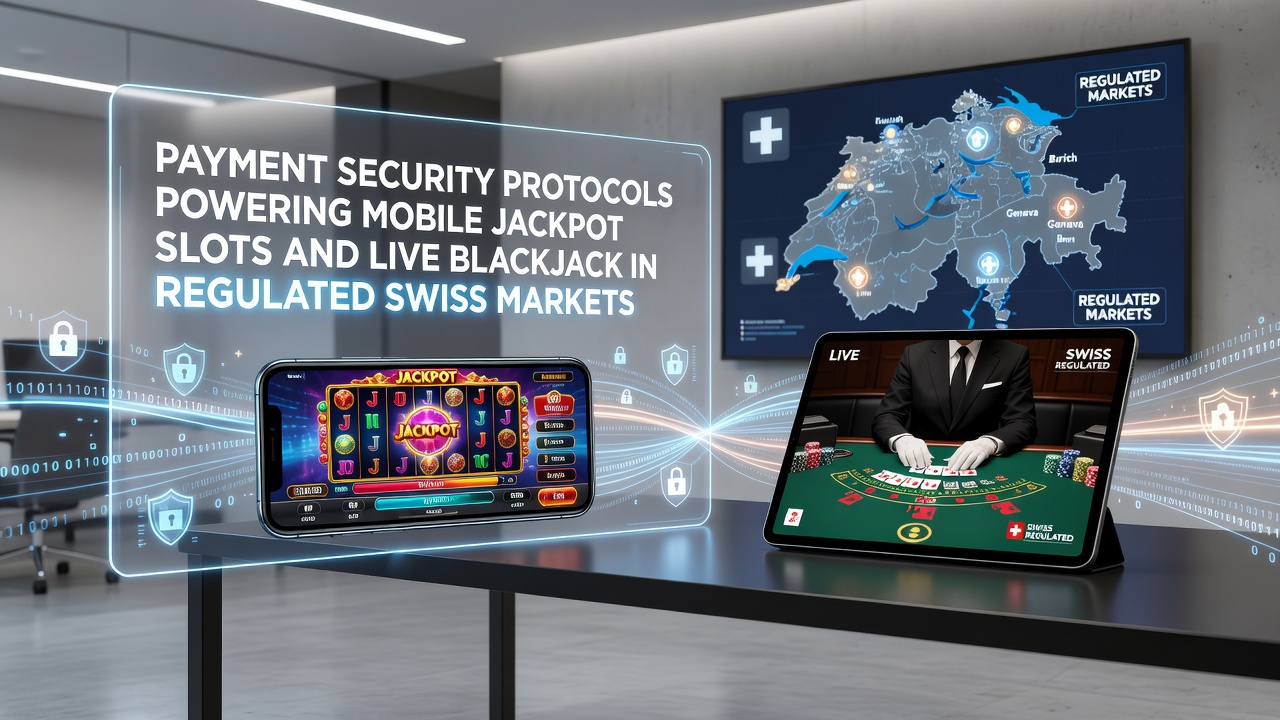
Payment Security Protocols Powering Mobile Jackpot Slots and Live Blackjack in Regulated Swiss Markets
Regulated Swiss markets maintain strict standards for payment security that support mobile jackpot slots alongside live blackjack sessions, where operators must comply with federal rules on data protection and financial transactions. Those standards require encryption layers and authentication methods that protect player funds during high-volume mobile play, and they integrate with progressive jackpot systems that update in real time across devices.
Swiss Regulatory Framework for Digital Payments
The Federal Act on Games of Chance and Casinos sets the baseline for licensed platforms, and operators follow guidelines from the Federal Department of Justice and Police that mandate secure handling of deposits and withdrawals. Data shows these rules emphasize tokenization and end-to-end encryption, which prevent interception when players fund accounts for jackpot slots or place bets at live blackjack tables on smartphones. Observers note that compliance checks occur regularly, and platforms must demonstrate that their systems meet technical thresholds before receiving or renewing licenses.
Mobile jackpot slots often process frequent small transactions that feed into larger progressive pools, while live blackjack demands instantaneous verification to keep game flow uninterrupted. Both formats rely on the same underlying protocols yet adapt them to different risk profiles, since slot jackpots can trigger large payouts whereas blackjack tables handle repeated wagers within single sessions.
Core Encryption and Authentication Standards
Transport Layer Security version 1.3 serves as the primary encryption standard across Swiss-licensed mobile platforms, and it combines with AES-256 algorithms to secure data in transit between player devices and casino servers. Researchers discovered that these combinations reduce exposure windows during mobile network handoffs, which matters when users switch between Wi-Fi and cellular connections mid-session. Tokenization replaces card details with unique identifiers that hold no usable value if intercepted, and this approach appears in both jackpot slot interfaces and live blackjack lobbies.
Two-factor authentication and biometric checks add further layers, and many platforms now require facial recognition or fingerprint confirmation before authorizing larger transfers tied to progressive jackpots. According to reports from the National Institute of Standards and Technology, multi-factor methods lower fraud rates significantly in regulated environments, and Swiss operators apply these findings directly to their mobile offerings.
Application to Mobile Jackpot Slots and Live Blackjack
Jackpot slots on mobile devices connect to centralized pools that update continuously, and payment protocols ensure each contribution registers accurately without exposing account details. When a win occurs, the same systems trigger secure payout workflows that verify identity before releasing funds, often within minutes. Live blackjack introduces additional complexity because bets resolve quickly and multiple players share the table, yet security protocols isolate each transaction so that card details remain protected even during rapid sequence of wagers.
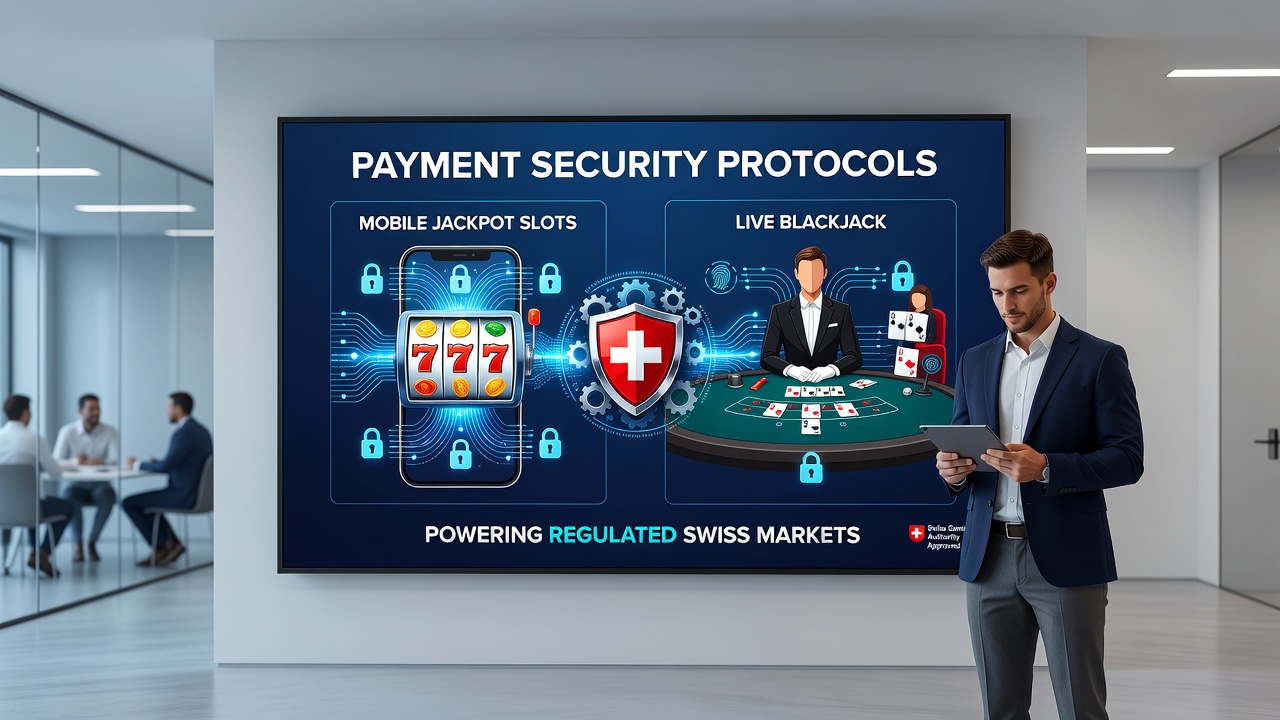
PCI DSS certification remains mandatory, and platforms undergo annual audits that examine everything from key management to logging of failed authentication attempts. Those audits cover both slot and blackjack environments, since the same payment gateway often serves both game types. Evidence suggests that unified gateways simplify compliance while maintaining separate risk controls for progressive versus fixed-odds betting.
Developments Expected by August 2026
By August 2026 Swiss regulators plan to review updates to cryptographic requirements, and operators anticipate shifts toward post-quantum encryption methods that address emerging computational threats. Mobile wallet integrations continue to expand, with protocols like 3D Secure 2.0 already embedded in many apps to add frictionless verification without slowing gameplay. Figures reveal increased adoption of these wallets for both jackpot contributions and blackjack buy-ins, since they reduce reliance on traditional card entry on smaller screens.
Real-time monitoring systems track transaction patterns across devices, and anomalies trigger immediate holds that protect both players and operators. These systems operate under federal oversight, and licensed platforms must share anonymized data that helps refine detection models without compromising individual privacy.
Conclusion
Payment security in Swiss regulated markets rests on layered protocols that adapt to the distinct demands of mobile jackpot slots and live blackjack. Encryption standards, tokenization, and authentication requirements work together under federal oversight to safeguard transactions, and ongoing reviews scheduled through 2026 will shape future implementations. Data from regulatory and technical sources indicates that these measures support secure growth in mobile gaming while maintaining compliance across game formats.